Building Your Core Toolkit
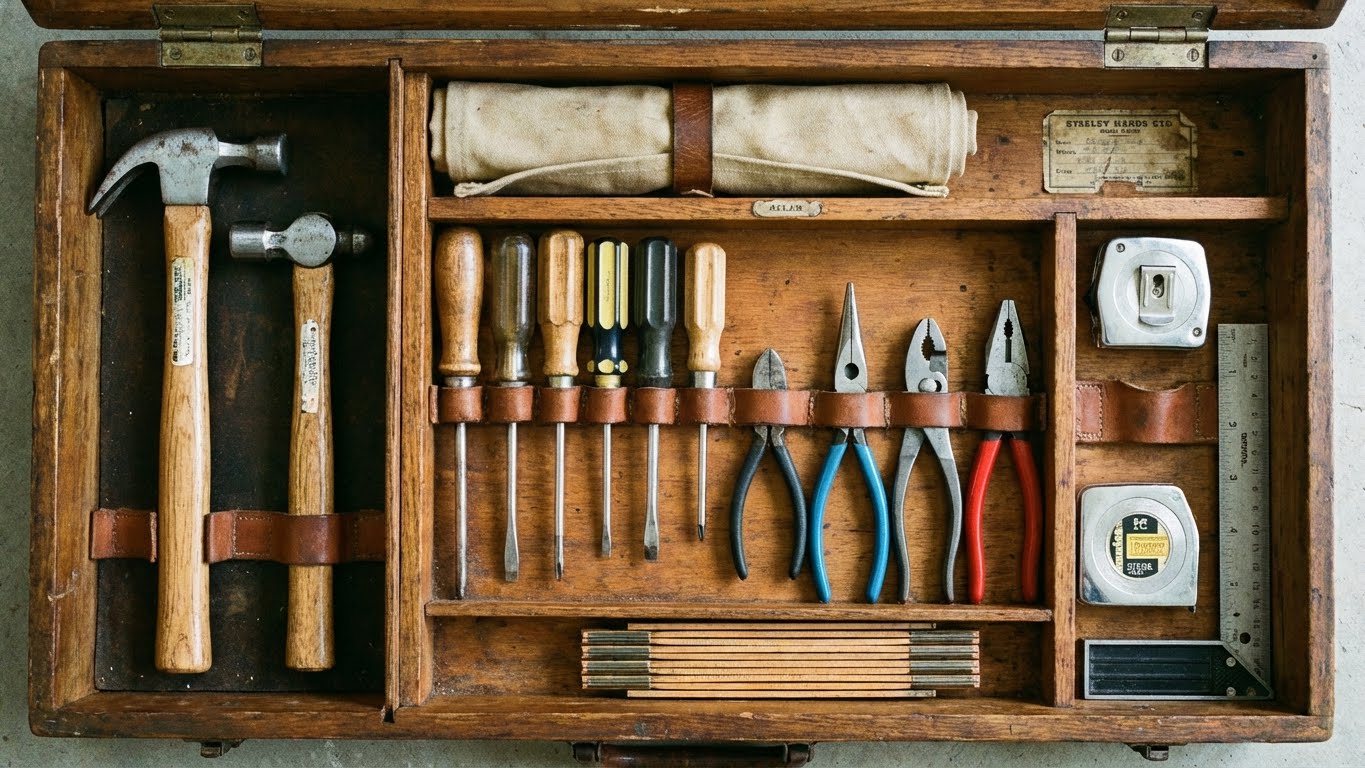
Before you can tackle any DIY project, you need the right tools. While power tools get all the attention, hand tools remain the backbone of any workshop. They're quieter, safer for beginners, require no electricity, and give you more control for precision work. Here's your guide to building a comprehensive hand tool collection.
Measuring and Marking
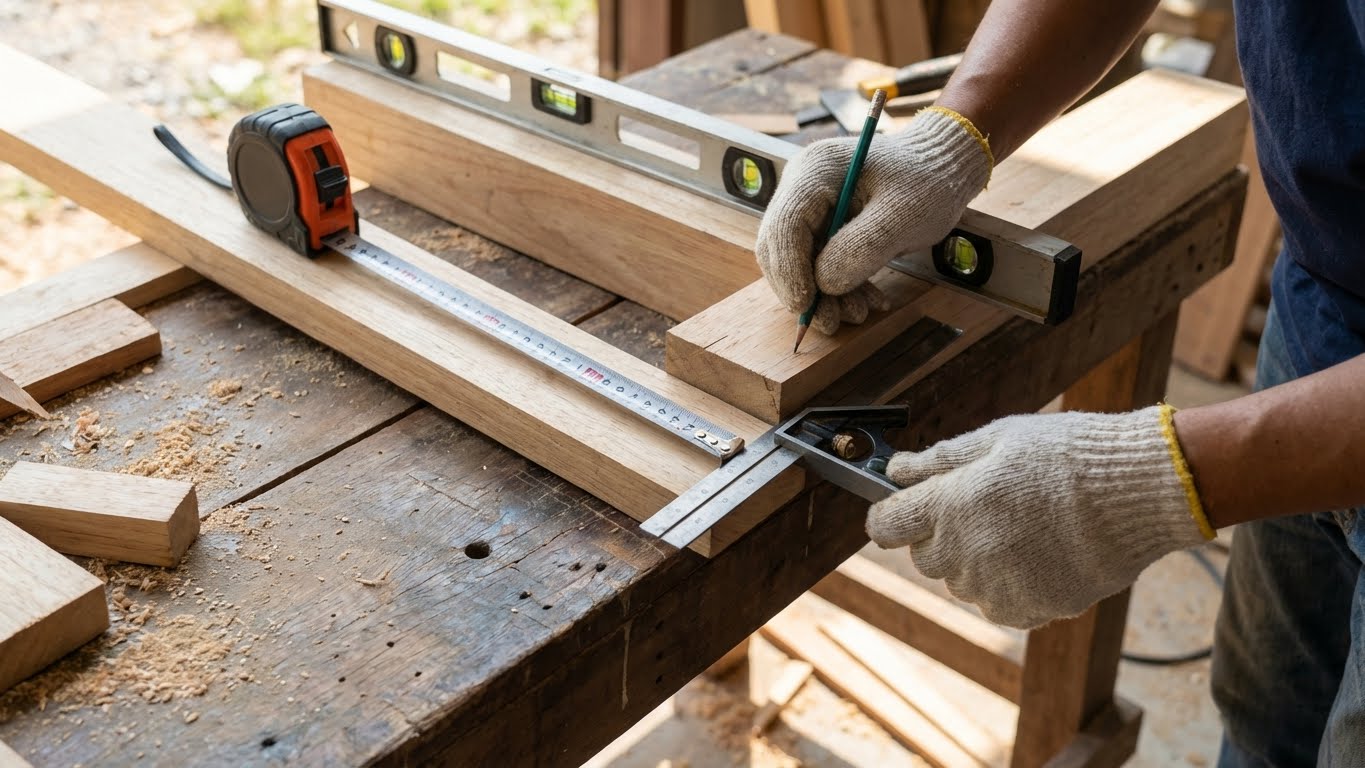
A 25-foot tape measure with a wide, sturdy blade is essential - don't skimp here. Add a combination square for checking 90 and 45-degree angles. A speed square is invaluable for marking straight lines on lumber. Include a quality level - a 24-inch torpedo level works for most jobs. A marking pencil and utility knife round out this category. Consider adding a chalk line for long, straight marks on floors or walls.
Cutting, Fastening, and Gripping
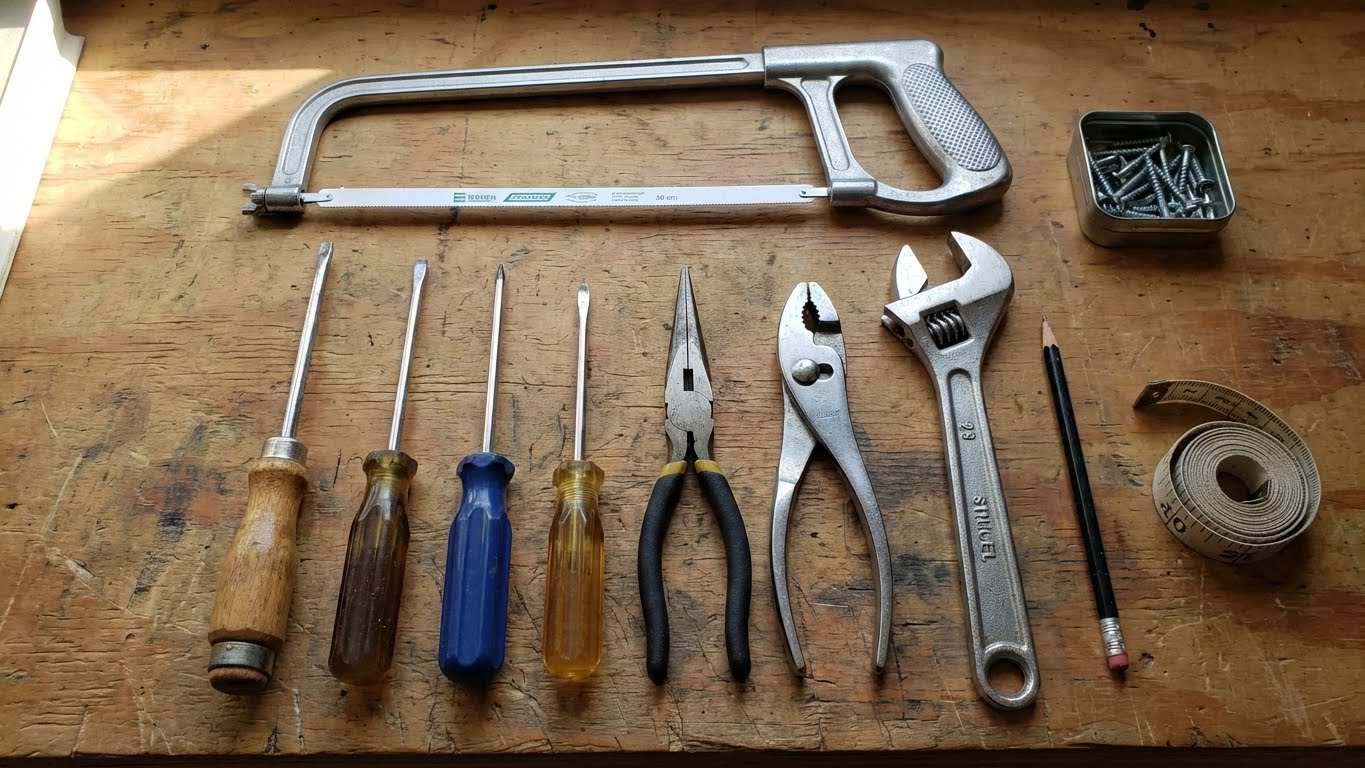
A set of screwdrivers with both Phillips and flathead in multiple sizes is fundamental. Add a quality claw hammer (16 oz is versatile), needle-nose and standard pliers, and an adjustable wrench. A hacksaw handles metal and plastic cutting. Include a handsaw for wood - a 15-inch aggressive-tooth model cuts quickly. Finish with a set of hex keys (Allen wrenches) in both metric and imperial sizes, a pry bar, and a good pair of locking pliers.